Gaia-X Architecture Document
Glossary page
The Gaia-X Architecture Document outlines the high-level Gaia-X Architecture framework and is a key deliverable of the Gaia-X initiative. It emphasizes conceptual modeling and important aspects of an operational model, without bias towards any specific technology or vendor. This document defines the essential concepts necessary to establish Gaia-X compliant data ecosystems and facilitates the integration of Providers, Consumers, and Services, which are vital for their seamless interaction.
https://gaia-x.gitlab.io/glossary/gaia-x_architecture_document/
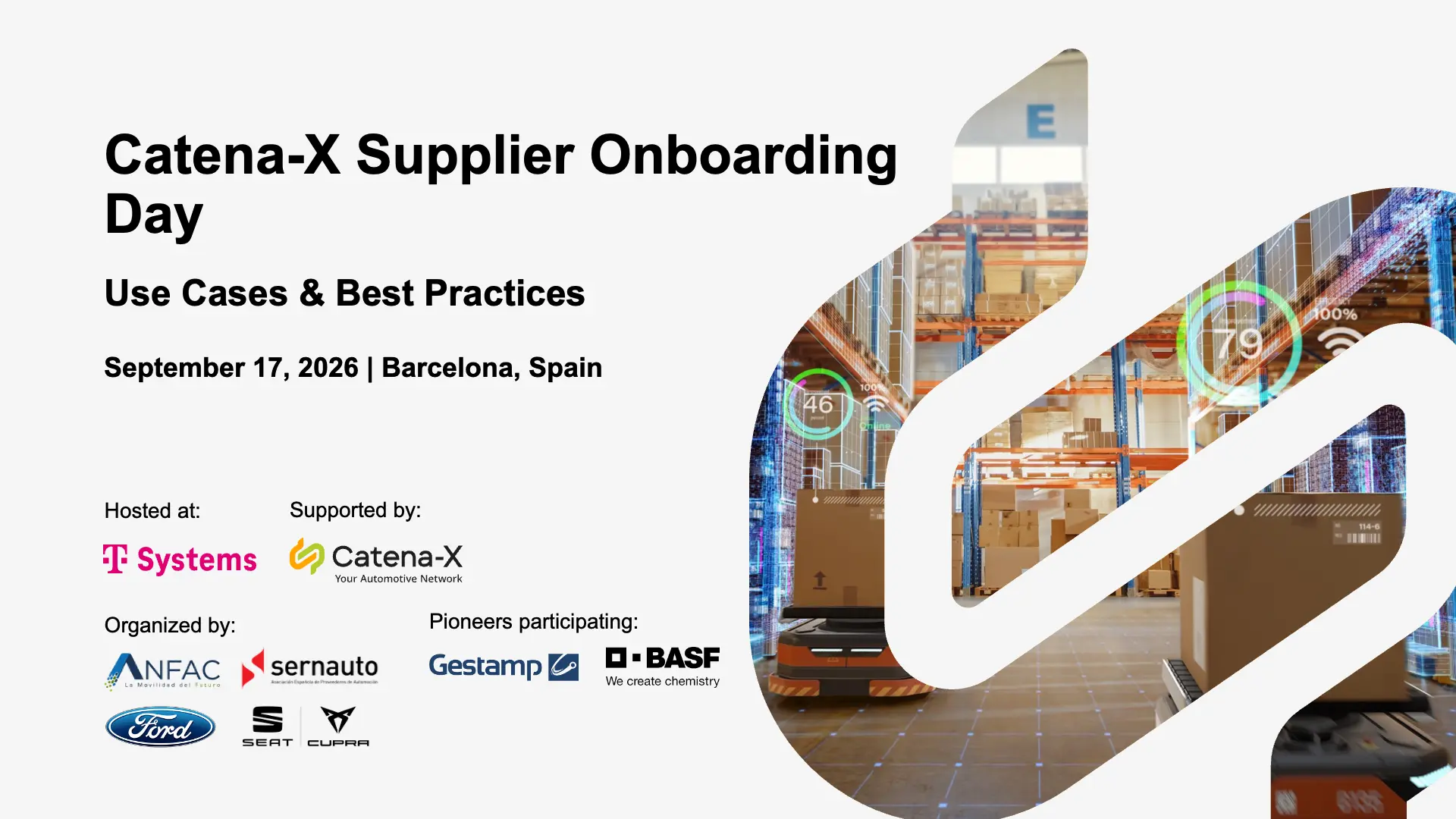
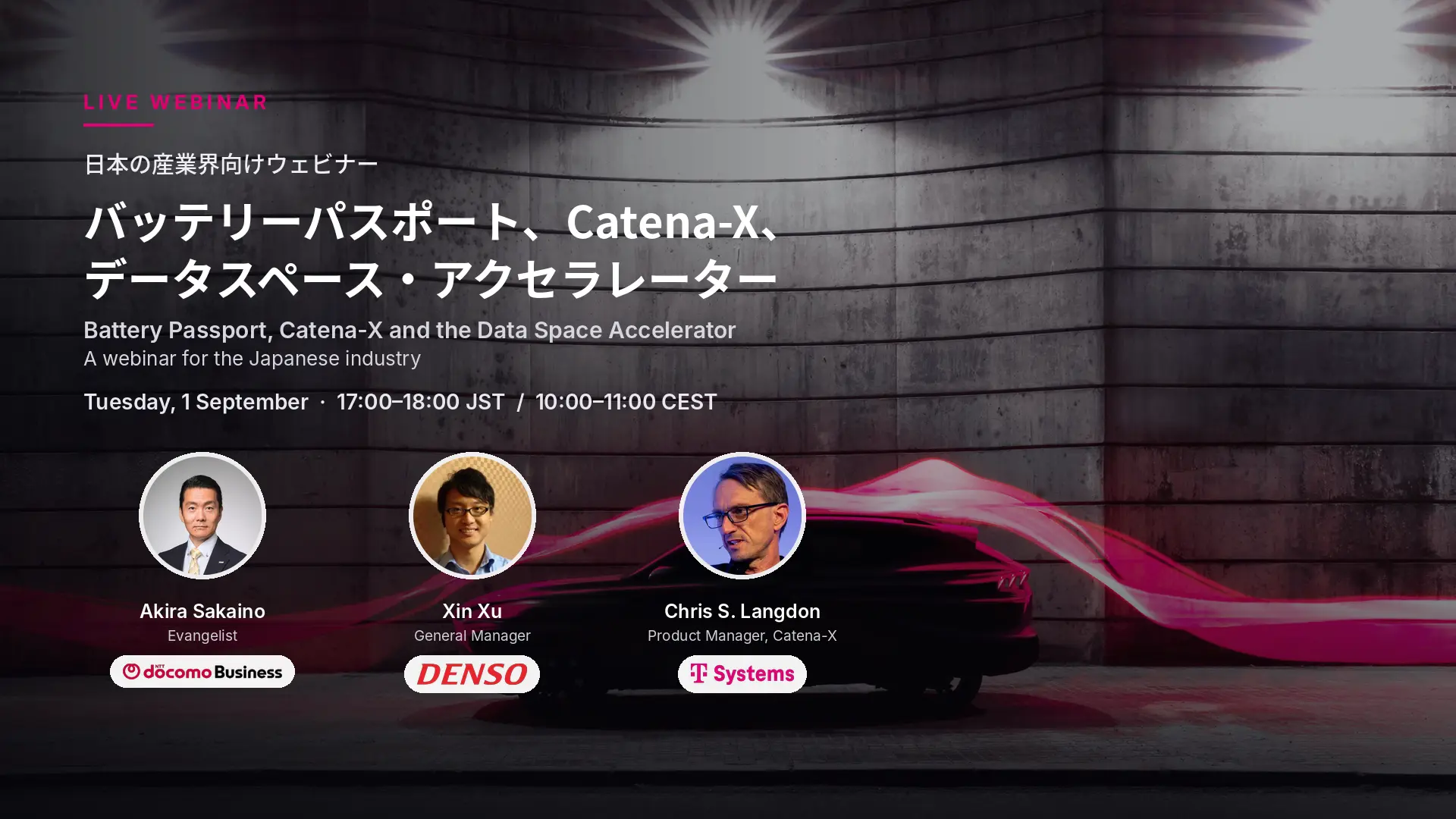
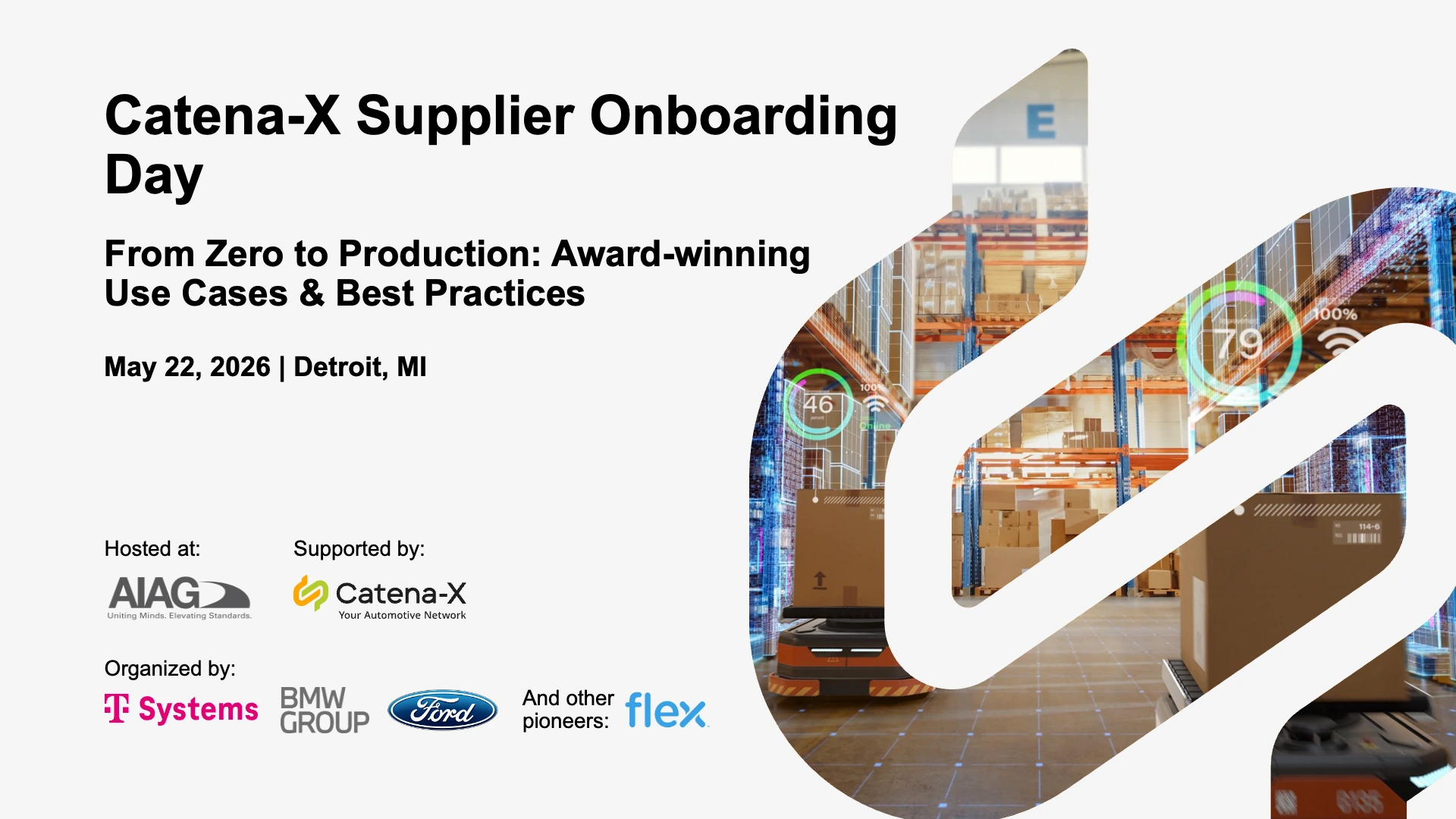
Latest webinars


Latest articles
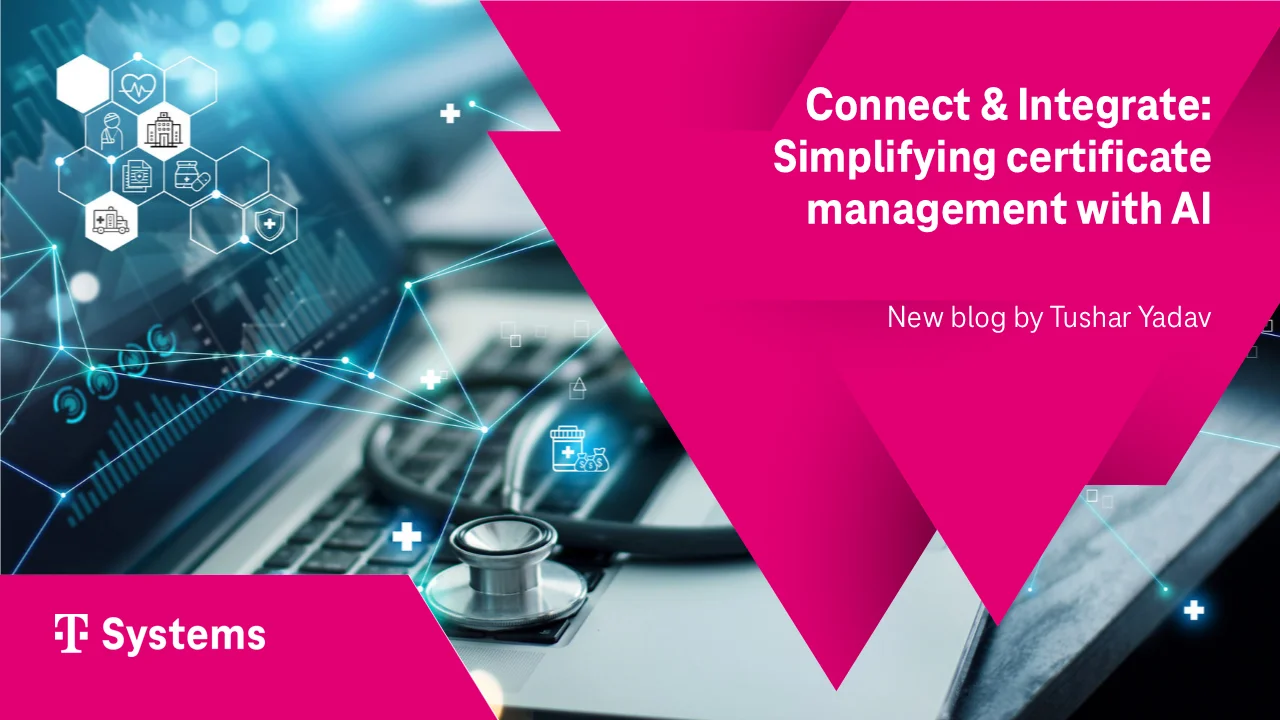
Connect & Integrate: Simplifying certificate management with AI
Connect & Integrate brings the T-Systems AI power within the solution to support organizations scale up and become efficient in their business workflows within Catena-X. The cross-use-case AI layer sits at the intersection of data preparation and exchange as a business enabler directly within the workflows.
Read more

Tushar Yadav
Aug 03, 2026
IDSA’s Dataspaces and AI: Our input from applied Physial AI in RoX with dataspaces
The IDSA position paper "Data Spaces and AI" argues that the coordination problems facing agentic AI — identity, trust, access control, governance and provenance across organizational boundaries — are the same ones dataspaces already solve for cross-company data sharing. Rather than reinventing them for autonomous agents, the peer-to-peer logic behind standards like ISO/IEC 20151 can transfer directly to agent-to-agent interaction. T-Systems contributes a concrete proof point: RoX, a German consortium where competing robotics players and institutes such as DFKI and DLR share a sovereign data foundation for AI-based robotics. Built on Tractus-X and aligned with IDSA and Gaia-X, it already powers live robotic cells and is now extending that governed data supply to an agentic layer — showing in practice what the paper argues in principle.
Read more

Chris S. Langdon
Jul 21, 2026
First Korea–Europe peer-to-peer dataspace transaction: L&F and EU Tier 1
In November 2025, the first peer-to-peer dataspace transaction between Korea and Europe was completed, with L&F (Korea) sharing product carbon footprint data with the automotive division of a major European Tier 1. Orchestrated by Prof. Chaisung Lim of Konkuk University and enabled by T-Systems' Dataspace-as-a-Service, the exchange ran on the Eclipse Tractus-X stack with the IDSA protocol and Gaia-X trust framework — the same standards underpinning Catena-X. The transaction proves that sovereign, governed data sharing can now travel across regions and regulatory environments without centralising data or surrendering control. Beyond secure, trusted file transfer, it points to a strategic foundation for AI-ready data and new value-creation scenarios, including controlled collaboration across ecosystems and even between competitors.
Read more
Chris S. Langdon
Jun 29, 2026